



05 Nov 2026
Steel Detailing and Structural Design: Understanding Their Roles
In structural steel construction, structural design and steel detailing are closely connected, but they solve different problems. Structural design establishes whether a building can safely resist the expected loads. Steel detailing translates that engineered intent into precise information that fabricators and erectors can manufacture, assemble and install. Separation helps teams to define scope, review deliverables […]

02 Nov 2026
Is Your BIM Model Ready for Digital Twin Integration?
A BIM model can represent a building in remarkable geometric detail, but geometry alone does not make it suitable for the digital twin integration. A digital twin requires a model that can connect physical assets with structured data, operational information, sensors, maintenance records and real-world changes over time. This creates an important distinction: a BIM […]
28 Oct 2026
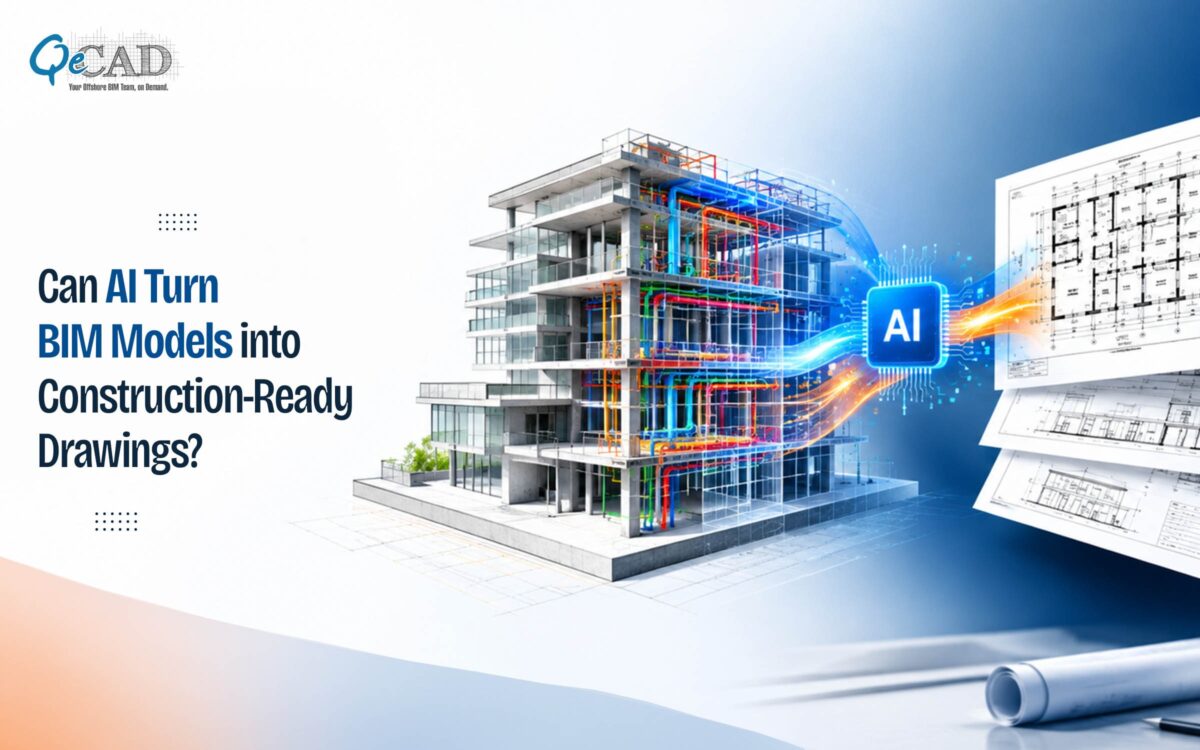
Can AI Turn BIM Models into Construction-Ready Drawings?
Construction documentation sits at the point where design intent becomes information that can actually be built, reviewed, approved, priced, and maintained. Yet producing drawings from BIM models still involves substantial manual work: creating views, applying annotations, arranging sheets, checking references, updating dimensions, and revising documentation whenever the model changes. AI is introducing new levels of […]
22 Oct 2026
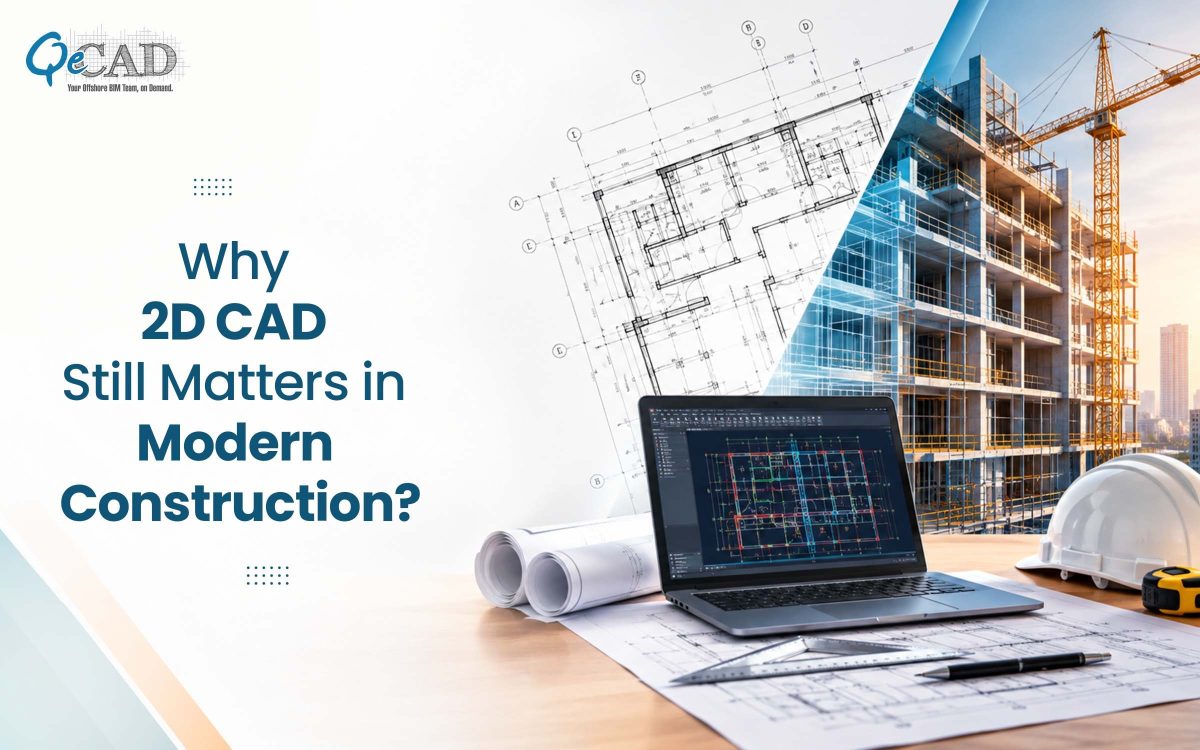
Why 2D CAD Still Matters in Modern Construction?
For all the momentum behind BIM, digital twins, AI and connected project data, 2D drawings remain a daily working language on construction sites. This is not simply resistance to technology. In many projects, 2D drawings remain practical and familiar. The latest evidence supports this mixed reality. NBS’s Digital Construction Report 2025 found that BIM adoption […]
25 Sep 2026
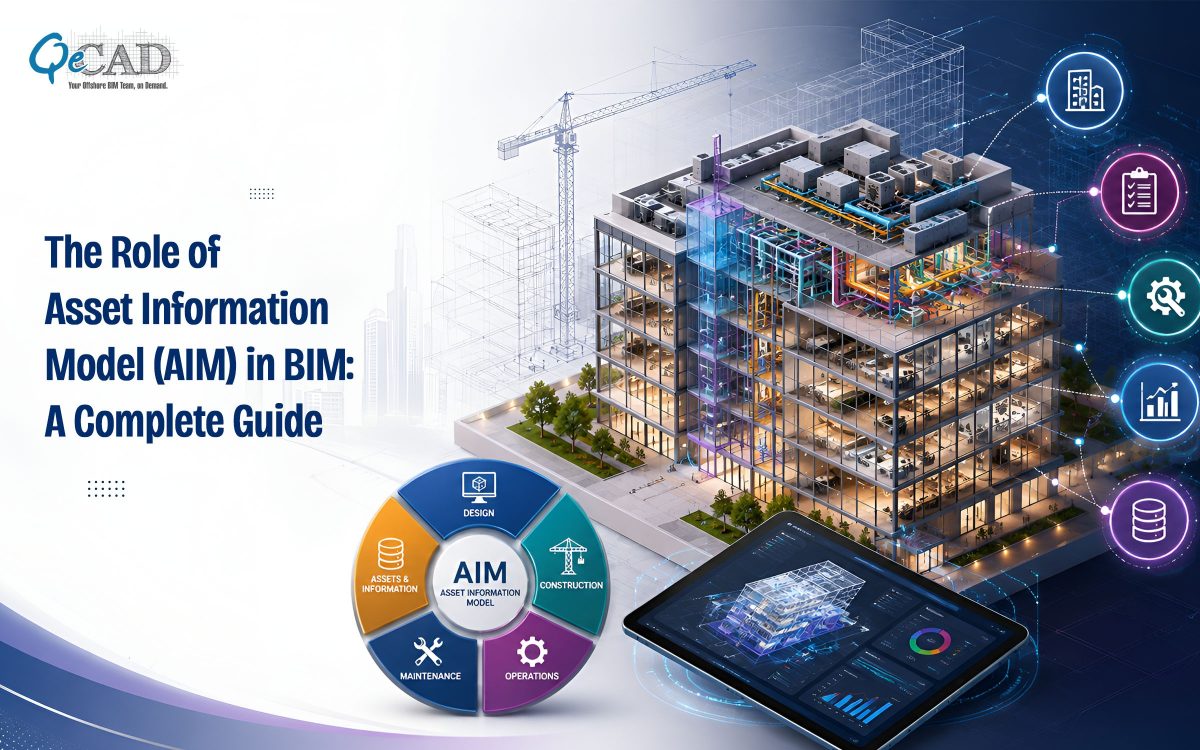
The Role of Asset Information Model (AIM) in BIM: A Complete Guide
BIM is increasingly being used beyond design and construction to support the entire lifecycle of a built asset. While the Project Information Model (PIM) primarily supports the design and delivery, the Asset Information Model (AIM) focuses on what happens after an asset is constructed—its operation, maintenance, management and ongoing improvement. Under ISO 19650, an AIM […]
09 Sep 2026
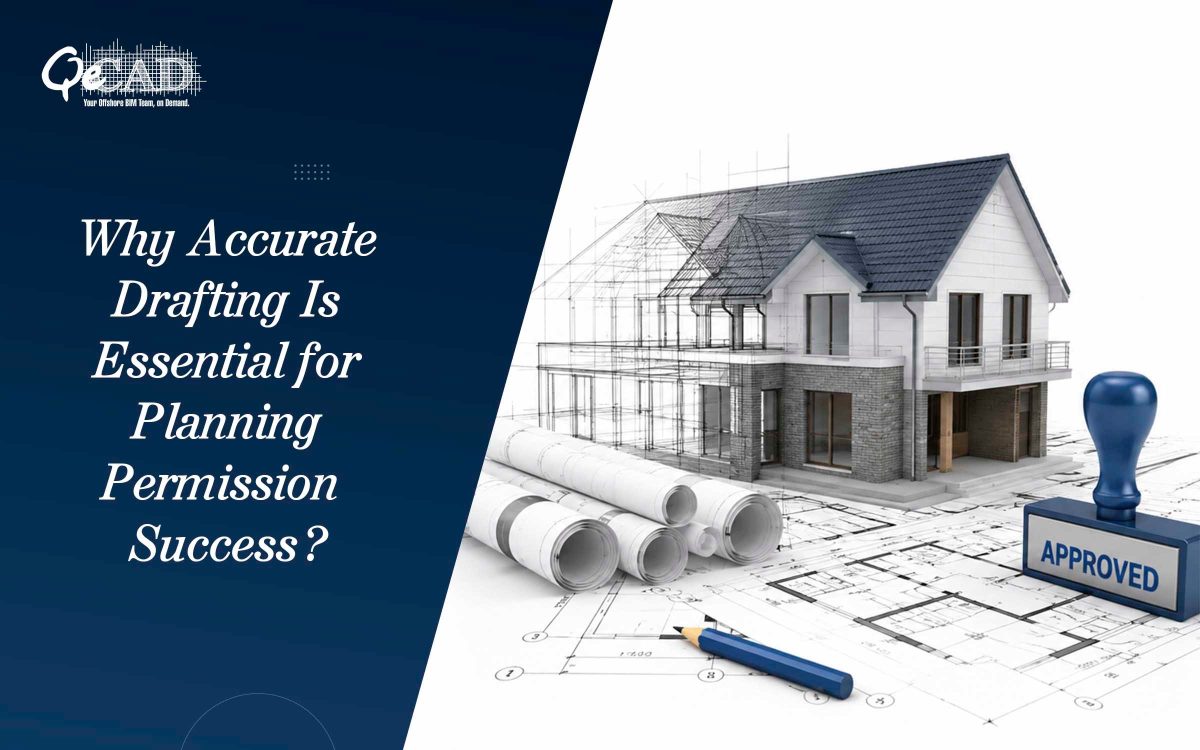
Why Accurate Drafting Is Essential for Planning Permission Success?
Obtaining planning permission is is a critical milestone in every construction and renovation project. Whether it is a residential extension, commercial development, industrial facility or mixed-use project, approval authorities require clear, accurate and regulation-compliant drawings before granting permission to proceed. Incomplete documentation, inconsistent dimensions, missing details or non-compliance with local building regulations can significantly delay […]

11 Aug 2026
The Role of Digital Models in Accelerating Off-Site Manufacturing
The construction industry is steadily moving away from the traditional on-site building methods towards manufacturing-driven approaches. Off-site manufacturing, which includes prefabrication, modular construction and component-based assembly, is transforming how the buildings are designed and delivered. However, the successful off-site manufacturing depends on one critical factor: accurate digital models. Unlike conventional 2D drawings that often requires […]
04 Aug 2026
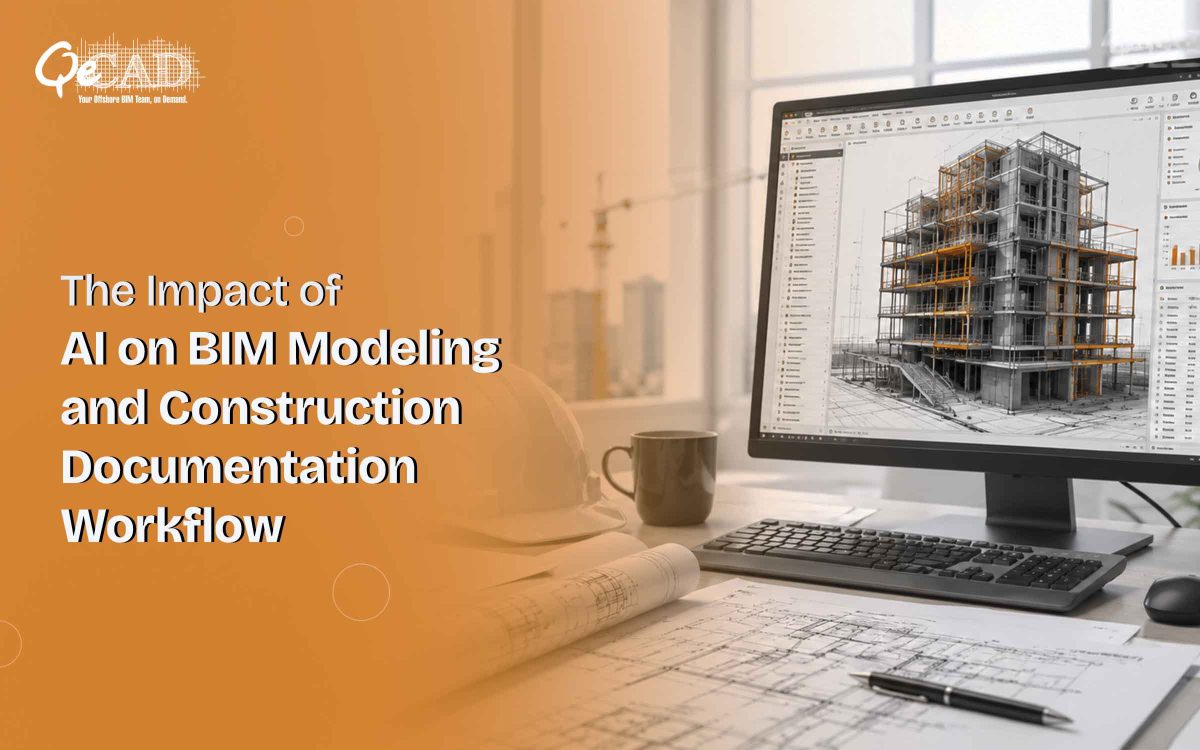
The Impact of AI on BIM Modeling and Construction Documentation Workflows
AI is rapidly transforming the AEC industry by making the design workflows smarter, faster and more accurate. While BIM has already revolutionized the project planning and coordination, the integration of AI is taking these capabilities to a new level. From automating repetitive modeling tasks to improving documentation accuracy, AI is helping the project teams to […]

30 Jul 2026
The Importance of Material Accuracy in High-Quality Interior Renderings
Interior renderings have become an indispensable part of the architectural design process. They enable architects, designers, developers and property owners to evaluate the design concepts long before the construction begins. However, the effectiveness of a rendering depends on far more than just the realistic lightings or camera angles. One of the defining factors in producing […]
22 Jul 2026
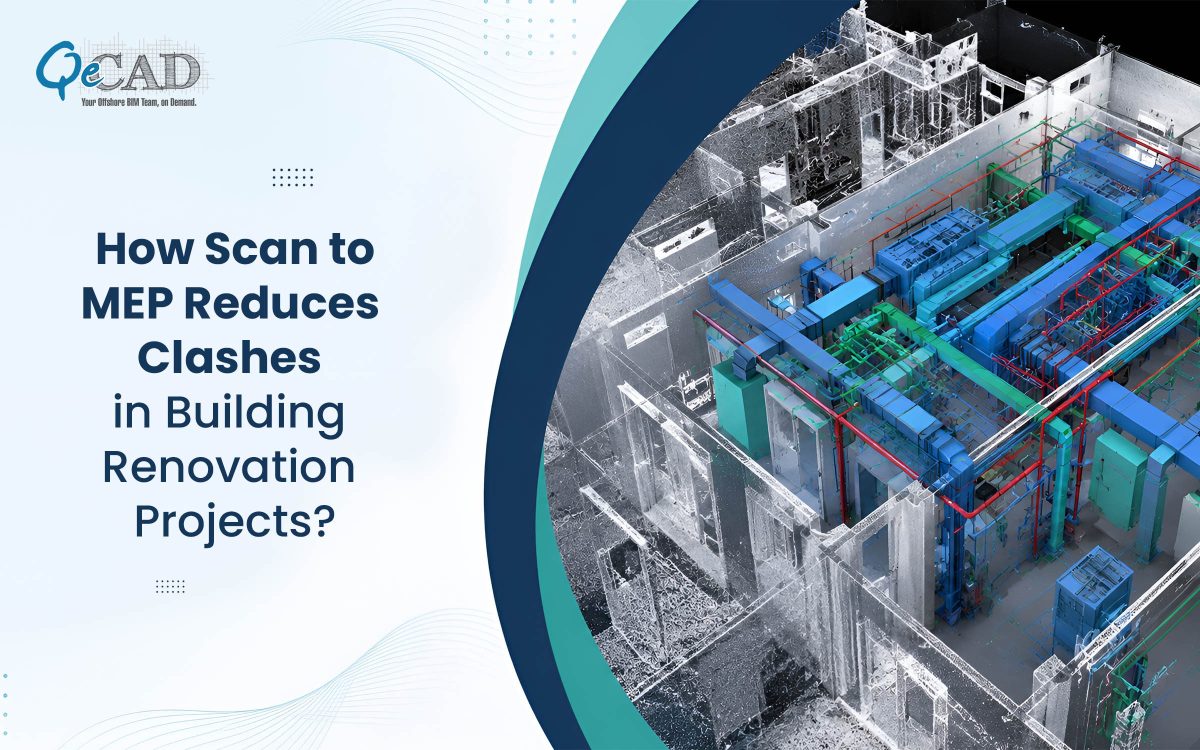
How Scan to MEP Reduces Clashes in Building Renovation Projects?
Introduction Renovation and retrofit projects presents a unique set of challenges that are rarely encountered in new construction. Existing buildings often contains undocumented modifications, outdated drawings, hidden utilities and structural deviations accumulated over years of operations. Designing new MEP systems based on inaccurate information significantly increases the risk of clashes, reworks, delays and unexpected project […]